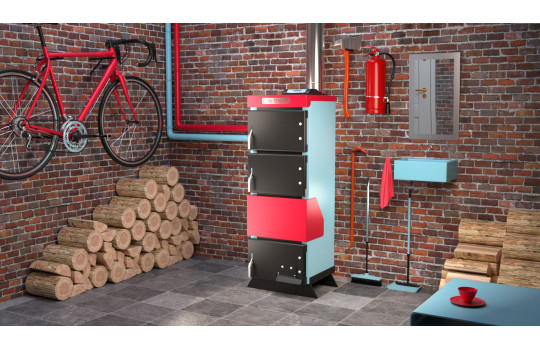
A solid-fuel boiler can be a reliable heat source, but it is not a plug-and-play appliance. Fuel quality, chimney draft, safety group, circulation, buffer capacity and maintenance define how stable and safe the system will be.
They are practical where gas is unavailable, electricity is limited, fuel is locally accessible or a backup heat source is needed. The boiler should be selected by heat demand, fuel type, operating mode and installation space.
The main advantages are independence from gas infrastructure, flexibility of fuel choice and the ability to heat buildings in areas with limited energy access. For some projects this increases resilience.
Solid-fuel heating requires fuel storage, loading, ash removal and cleaning. It also depends on chimney draft and air supply. Poor fuel quality lowers efficiency and increases smoke, deposits and service work.
A solid-fuel boiler must have correct safety valves, expansion volume, circulation and protection against overheating. In many systems a buffer tank helps stabilize operation and reduce temperature swings.
The boiler room needs combustion air, service access and a chimney suitable for the boiler and fuel. Incorrect chimney draft can cause poor combustion, smoke and unsafe operation.
Typical mistakes include oversized boilers, wet fuel, missing buffer capacity where it is needed, weak chimney draft, poor ventilation and no regular cleaning schedule.
| Area | Risk if ignored | What to plan |
|---|---|---|
| Fuel and storage | Wet or unsuitable fuel reduces efficiency and increases deposits. | Dry storage, suitable fuel type and regular supply. |
| Output and load | Oversizing causes unstable operation and more deposits. | Match boiler output to heat demand and operating mode. |
| Chimney and air | Poor draft can create smoke and unsafe combustion. | Correct chimney, combustion air and service access. |
| Safety and hydraulics | Overheating and poor circulation can damage the system. | Safety group, expansion volume, circulation and, where needed, buffer capacity. |
| Maintenance | Ash and deposits reduce performance over time. | Cleaning schedule and easy access to service points. |


